Your Team

Meet the Pigment & Skin Tone Team

The clinicians who look after pigmentation at Chongqing West District Hospital — the diagnosis of pigmented lesions, the medical management of pigment disorders, laser and light treatment, and surgical removal where a lesion has to come out — all inside a tertiary general hospital.

Specialist Profiles

Pigmentation and skin tone specialists

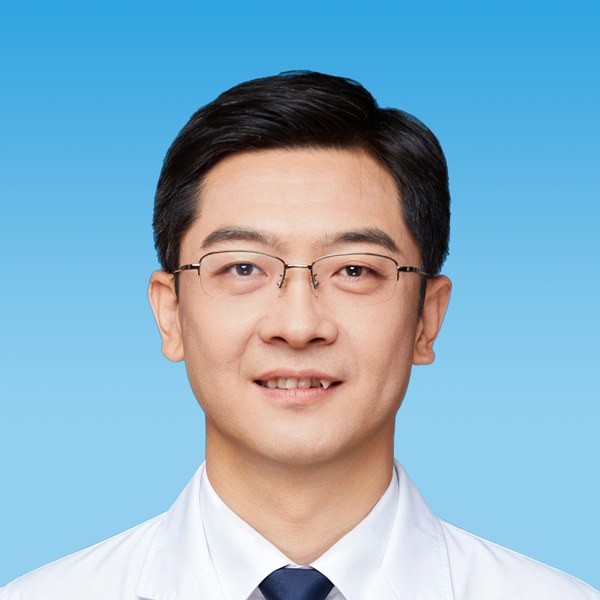
Yongbo Jia, MD

Yongbo Jia, MD (贾勇波)

Deputy Director & Head of Dermatology · Vice Chief Physician, Licensed Aesthetic Attending

Dermatology · pigment diagnosis · melasma & vitiligo

Dr. Yongbo Jia is Deputy Director of the Plastic Surgery & Aesthetics Medical Center and head of its dermatology service at Chongqing West District Hospital — the lead physician of this site’s pigment content. A vice chief physician and licensed aesthetic attending, he graduated from Chengdu University of Traditional Chinese Medicine and trained in dermatology at the Institute of Dermatology, Chinese Academy of Medical Sciences, and at Chongqing Hospital of Traditional Chinese Medicine.

His practice is the diagnostic and medical side of pigmentation: working out what is producing the colour before anything is done about it, managing melasma and other pigmentation disorders over the months they take to respond, caring for vitiligo, and recognising the pigmented lesion that must be sampled rather than treated. He treats pigment as a chronic problem to be managed, not a blemish to be blasted away.

Clinical focus

  • Diagnosis of pigmented lesions: dermoscopy, and when a biopsy is needed rather than treatment
  • Comprehensive pigment management: melasma, freckles, solar lentigines, and post-inflammatory marks
  • Pigment loss, including vitiligo and its long-term management
  • Aesthetic excision of superficial lesions with refined cosmetic stitching
  • Repair of appearance-damaging skin conditions

Academic roles & achievements

  • Member, Jiusan Society
  • Member, Chongqing Integrative Medicine Skin & Beauty Committee
  • Advanced training at the Institute of Dermatology (Chinese Academy of Medical Sciences) and Chongqing Hospital of Traditional Chinese Medicine

Diagnosis first

Most pigment treatment failures trace back to a missed diagnosis or an abandoned routine. A brown patch on a cheek has several possible causes, and they do not all respond to the same treatment — which is why getting the diagnosis right comes before any cream, peel, or laser.
Ke He, MD

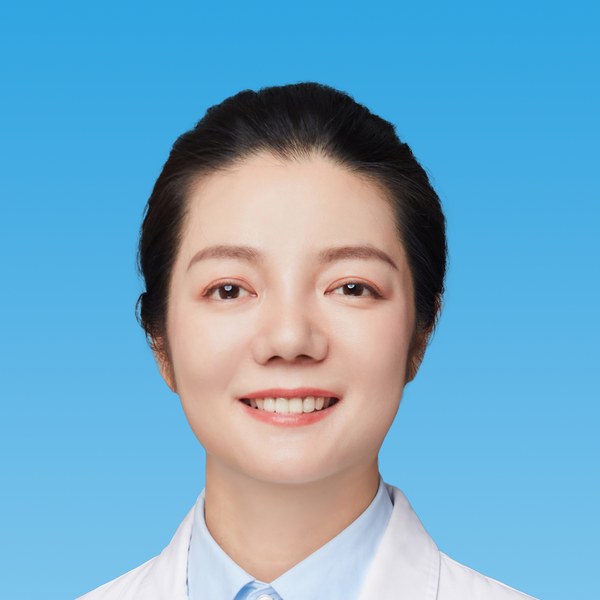
Ke He, MD (何锞)

Deputy Director & Head of Skin & Laser Aesthetics · Attending Physician, Licensed Aesthetic Attending

Skin & laser aesthetics · pigment lasers · birthmarks

Dr. Ke He is Deputy Director of the Plastic Surgery & Aesthetics Medical Center and head of its skin and laser aesthetic service at Chongqing West District Hospital. A core specialist formerly at the Plastic and Aesthetic Surgery Department of Xinqiao Hospital, affiliated with Army Medical University, she has worked on the clinical front line in skin laser and procedural dermatology for more than 20 years, serving over ten thousand patients.

Her service is the procedural arm of pigment care: the laser and light treatment of freckles, solar lentigines, melasma, and birthmarks such as nevus of Ota, and the management of post-inflammatory pigment left behind by acne, injury, or an earlier procedure. Every plan is built around the person’s skin tone and their history of darkening after injury, because in pigmentation those two facts decide the settings, the interval, and sometimes whether to treat at all.

Clinical focus

  • Laser and light treatment of pigmented lesions, planned around skin tone and healing response
  • Melasma: low-setting, staged treatment combined with topical maintenance
  • Birthmarks and dermal pigment, including nevus of Ota: test spots and multiple sessions
  • Post-inflammatory hyperpigmentation after acne, injury, and earlier procedures
  • Full-cycle skin management: barrier repair and laser-based rejuvenation

Academic roles & achievements

  • Member, Laser Medicine Group, Chinese Medical Association Plastic Surgery Branch
  • Member, Facial Rejuvenation Group, Chinese Medical Association Plastic Surgery Branch
  • Member, Chongqing Plastic Surgery Quality Control Center
  • Published 5 papers, holds 5 national patents, and introduced 2 new clinical techniques

Lasers are tools, not magic

A laser is only as good as the diagnosis behind it. Choosing the right wavelength and interval, and respecting skin tone and recovery, is what separates treatment from experimentation — and in pigmentation a laser fired at the wrong skin can leave it darker than it started.

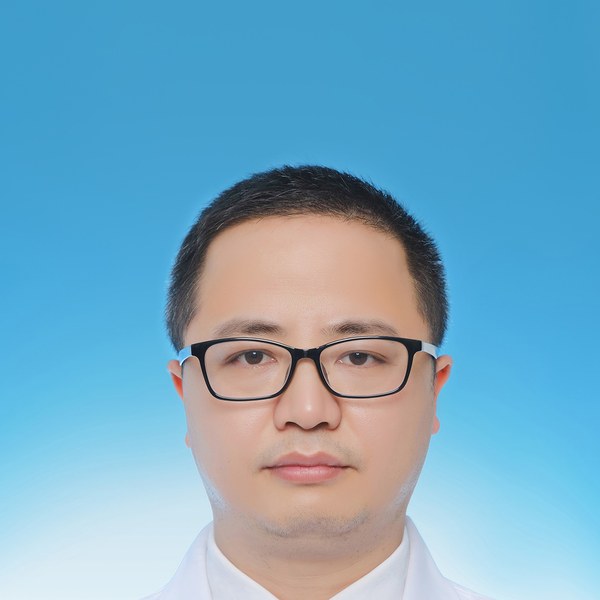
Tongchun Mao, MD

Tongchun Mao, MD (毛彤春)

Deputy Director & Head of Aesthetic Surgery · Vice Chief Physician, Licensed Aesthetic Attending

Aesthetic surgery · excision of pigmented lesions · fine closure

Dr. Tongchun Mao is Deputy Director of the Plastic Surgery & Aesthetics Medical Center and head of its aesthetic surgery service at Chongqing West District Hospital. A core specialist formerly at the Plastic and Aesthetic Surgery Department of Xinqiao Hospital, affiliated with Army Medical University, he has rooted his clinical practice for more than 20 years and personally performs over 700 operations a year.

Within the pigment team his role is the fine closure: when a pigmented lesion has to be removed — because it is changing, because it is being sampled, or because the person wants it gone — the line it leaves behind decides whether anyone ever notices. His aesthetic practice covers detailed facial-feature surgery, facial rejuvenation, and body contouring, and the same techniques serve pigment patients whose lesions need surgical removal.

Clinical focus

  • Aesthetic closure principles applied to the excision of pigmented lesions
  • Detailed facial-feature refinement and repair (eyelid, nose, chin, lip)
  • Fine cosmetic stitching and scar-conscious repair after lesion removal
  • Facial rejuvenation injections and surgical management of the ageing face
  • Body contouring and complex aesthetic reconstruction

Academic roles & achievements

  • Member, Rhinoplasty and Trunk Tumor Groups, Chinese Medical Association Plastic Surgery Branch
  • Member, Chongqing Medical Aesthetics Quality Control Center; Member, Chongqing Medical Accident / Disability Assessment Expert Pools
  • Deputy Chair, Chongqing Shapingba District Medical Aesthetics Committee
  • Published 5 SCI papers, holds 7 national patents, and has participated in 4 research projects
  • Repeatedly named an "Outstanding Young Physician" at Xinqiao Hospital since joining in 2005

The closure is the result

Once a lesion is gone, what remains is a line. Fine closure technique, respect for aesthetic units, and scar-conscious aftercare decide whether that line fades into the skin or announces itself — and whether the removal leaves a better result than the lesion did.

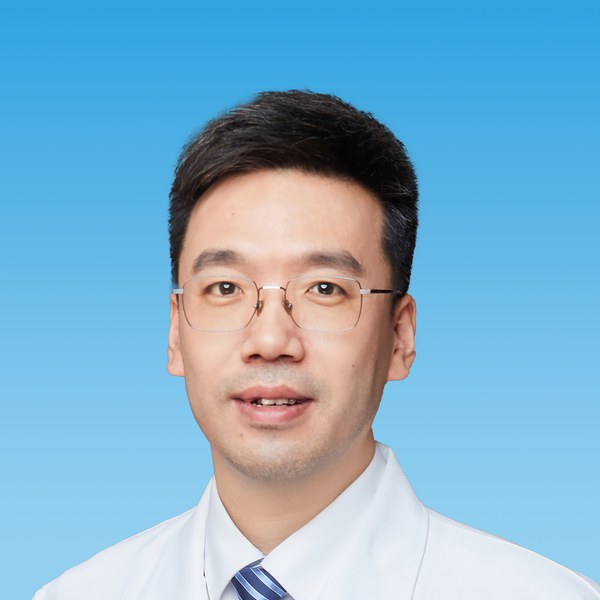
Shaoliang Wang, MD

Shaoliang Wang, MD (王韶亮)

Director, Plastic Surgery & Aesthetics Medical Center · Vice Chief Physician, Associate Professor, Doctor of Medicine

Plastic surgery · excision with margin control · complex repair

Dr. Shaoliang Wang is Director of the Plastic Surgery & Aesthetics Medical Center at Chongqing West District Hospital. He previously served as Deputy Chief of Plastic and Aesthetic Surgery at Xinqiao Hospital, affiliated with Army Medical University, and brings more than two decades of tertiary-hospital surgical experience to his practice.

Within the pigment team he leads the surgical side: removal of pigmented lesions with margin control and a proper histological diagnosis, excision of congenital moles and dermal melanocytosis, complex wound repair, and correction of failed cosmetic operations — the operations where a lesion must come out and the repair must look as good as medicine allows. Every specimen goes to the hospital’s own pathologists, which is what turns a removal into a diagnosis.

Clinical focus

  • Surgical removal of pigmented lesions with margin control and layered cosmetic closure
  • Excision of congenital moles, dermal melanocytosis, and lesions that require histological diagnosis
  • Complex wound repair and tertiary-hospital surgical support for dermatologic cases
  • Repair of failed cosmetic operations (revision and reconstruction)
  • Surgical management of lesions where diagnosis and removal have to happen together

Academic roles & achievements

  • Member, Craniofacial Surgery Group, Chinese Medical Association Plastic Surgery Branch
  • Deputy Chair, Chongqing Medical Aesthetics & Beauty Committee
  • Standing Committee Member, Chongqing Medical Doctor Association Plastic Surgery Branch
  • Expert Panel, Chongqing Aesthetic Surgery Quality Control Center
  • Developed a new endoscope- and water-jet-assisted technique for removing injected polyacrylamide (Aomingding) breast filler; awarded the Wang Liangneng Cup Military Excellent Scientific Paper Award
  • Principal investigator on an international cooperation sub-project, a Chongqing Natural Science Foundation grant, and a Third Military Medical University technology-transfer project; published 4 SCI papers and holds 8 national invention patents

A hospital-based advantage

When a pigmented lesion has to come out, the specimen goes to the hospital’s own pathologists, and complicated wounds draw on anaesthesiology, imaging, and intensive care. Practicing inside a tertiary general hospital means those resources stand behind every excision — and that a removal always produces a diagnosis.

Ready to have your pigmentation assessed?

Reach out for a consultation. We will diagnose the pigment problem first, explain what treatment can realistically change and how long it takes, and build the protection and maintenance routine with you.

Book a Consultation