

Pigment is treatable, but it is slow — here is what actually works.
The pigmentation and skin tone service of Chongqing West District Hospital assesses and treats melasma, freckles, sun spots, birthmarks, vitiligo, and the marks that follow inflammation — with honest timelines, a frank discussion of risk, and the full resources of a tertiary general hospital behind every plan.
Diagnosis before treatment, protection before procedures, and honesty about a field where results take months and some conditions are managed rather than cured.
- Evidence-based care
- Diagnosis before treatment
- Honest timelines and expectations
- Medical, laser & light treatment
Pigment care that starts with the right diagnosis
Pigment is a symptom, not a diagnosis. Whether it is melasma, a birthmark, or a spot that has changed, every plan follows the same three principles.
Diagnose
We identify what is producing the colour — overactive melanin production, pigment sitting deep in the dermis, cumulative sun damage, inflammation, or a lesion that needs a biopsy before anything is done to it. The answer decides everything that follows.
Protect, then treat in steps
Photoprotection comes first, because nothing else works while ultraviolet and visible light keep adding pigment. On top of that we follow the evidence-based ladder for your condition — topical agents used for months, and procedures only where they are genuinely justified.
Manage long term
Melasma and post-inflammatory pigment are chronic and relapsing. We build the maintenance routine and the follow-up that holds the result — and we say plainly that stopping everything is how pigment comes back.
Dedicated specialists within a tertiary hospital
Pigmentation sits between diagnostic dermatology and procedural skin care. Our team joins the diagnosis and medical management of pigment conditions with the laser, light, and surgical skills used to treat what pigment leaves behind, with the full safety net of a tertiary general hospital behind every plan.
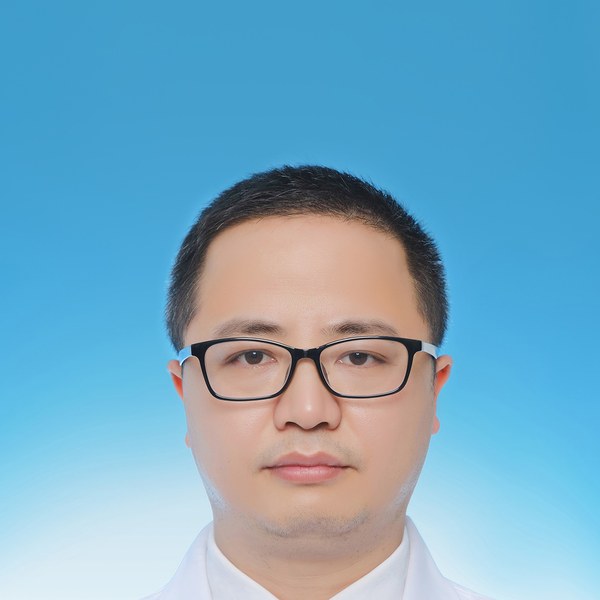
Yongbo Jia, MD (贾勇波)
Dermatology Lead · Deputy Director
Head of dermatology and lead physician of this pigment service: the diagnosis of pigmented lesions, the medical management of melasma and other pigmentation disorders, vitiligo, and the decision about when a lesion needs a biopsy, trained at the Institute of Dermatology, Chinese Academy of Medical Sciences.
View profile →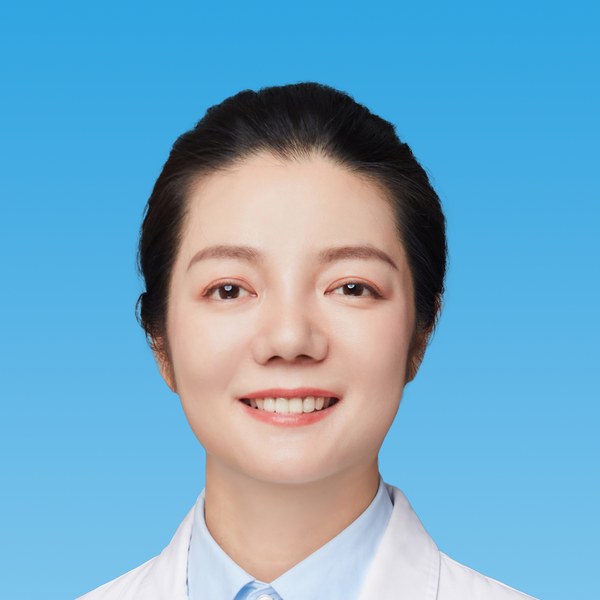
Ke He, MD (何锞)
Skin & Laser Aesthetics · Deputy Director
Head of skin and laser aesthetics; 20+ years on the clinical front line of laser and procedural dermatology, specializing in the laser and light treatment of pigmented lesions, melasma, birthmarks such as nevus of Ota, and post-inflammatory pigment.
View profile →
Tongchun Mao, MD (毛彤春)
Aesthetic Surgery · Deputy Director
Deputy Director and head of aesthetic surgery; scar-conscious closure and the refined aesthetic excision of pigmented lesions, across 700+ operations a year.
View profile →
Shaoliang Wang, MD (王韶亮)
Plastic Surgery · Center Director
Center Director; leads the surgical removal of pigmented lesions with margin control and the hospital’s own pathology behind every specimen, plus complex wound repair, with 20+ years of tertiary-hospital surgical experience.
View profile →Pigmentation and skin tone, explained honestly
Start with the basics: how skin colour is made, what drives each condition, what treatment genuinely changes, and why some of these problems are managed rather than cured.
How Skin Colour Works and Why It Varies
Where skin colour actually comes from, how melanin is made and moved into skin cells, and why one pigment system produces very different complexions.
Read the guide →Melasma
Why melasma appears, what triggers it, why it relapses, and why dermatologists manage it rather than cure it.
Read the guide →Freckles
What freckles actually are, how they differ from sun spots and moles, and why the main thing they call for is protection.
Read the guide →Solar Lentigines (Sun Spots)
What sun spots are, how they differ from freckles and from melanoma, and what genuinely fades them.
Read the guide →Café-au-Lait Spots
What café-au-lait spots are, how many are normal, and when the number or size means further assessment is needed.
Read the guide →Nevus of Ota
A blue-grey birthmark along the cheek and eyelid: why the colour looks blue, why it is treated early, and what laser treatment can achieve.
Read the guide →We will not sell you certainty we do not have
No cream erases melasma. No laser removes pigment without risk of making it worse in some skin types. Results take months, not days. Vitiligo cannot be promised to stop spreading, and pigmentation returns when protection stops. Anyone who tells you otherwise is not giving you honest medical advice — and any pigmented lesion that is changing should be diagnosed before it is treated.
Ready to have your pigmentation assessed?
Reach out for a consultation. We will diagnose the pigment problem first, explain what treatment can realistically change and how long it takes, and build the protection and maintenance routine with you.
Part of Uneven Skin Tone — 7 sites on this topic